

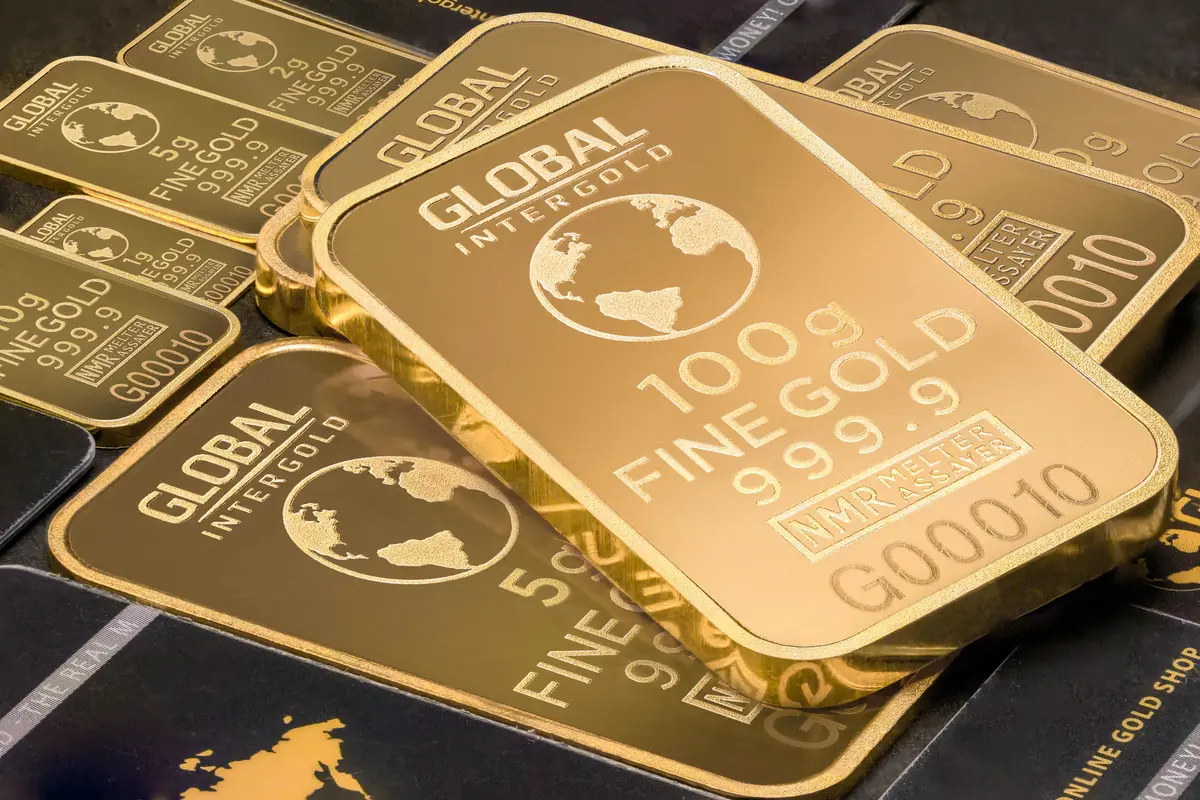
Gold has always been considered a symbol of safety and long-term value. Many people invest in gold to protect their savings, but its price often changes—from small daily movements to big jumps during global events. Knowing why these changes happen can help investors make calm and informed decisions.
This article explains, in simple words, the main factors that affect gold prices and how each factor impacts the market.
1. Global Economic Conditions
When the global economy shows signs of weakness—such as recession fears, global conflicts, or financial instability—investors look for safer options.
Impact:
- Weak or uncertain economy → Gold price tends to rise
- Strong and stable economy → Gold price may soften
Gold behaves like a protective asset during tough times.
2. Interest Rates
Gold does not earn interest. So when interest rates rise, people may prefer fixed deposits or bonds. When rates fall, gold becomes more attractive.
Impact:
- High interest rates → Gold price often declines
- Low interest rates → Gold price usually rises
This is one of the most important factors influencing gold.
3. Inflation Levels
Gold is widely seen as a hedge against inflation because it holds value over time.
Impact:
- High inflation → Gold price typically rises
- Low inflation → Gold price stays stable or may fall slightly
During inflation, people often shift towards assets that protect purchasing power.
4. Strength of the US Dollar
Gold is globally priced in US dollars. When the dollar moves, gold usually moves in the opposite direction.
Impact:
- Strong US dollar → Gold becomes expensive for buyers → Prices fall
- Weak US dollar → Gold becomes cheaper globally → Prices rise
Currency movements play a major role in day-to-day price changes.
5. Central Bank Buying
Central banks regularly buy and store gold as a part of their reserves. These large purchases influence overall demand.
Impact:
- More central bank buying → Gold price rises
- Central bank selling → Price may weaken
Countries like India, China, and Russia are key drivers in this segment.
6. Jewellery Demand
Gold jewellery demand is especially strong in India, China, and the Middle East. Festivals, marriage seasons, and cultural traditions directly affect prices.
Impact:
- High jewellery demand → Prices rise
- Low seasonal demand → Prices remain steady or dip
This demand is cyclical and predictable every year.
7. Geopolitical Tensions
Gold reacts strongly to geopolitical risks—wars, sanctions, political instability, and global uncertainty.
Impact:
- High tension or conflict → Gold price rises sharply
- Stable geopolitical environment → Prices remain steady
Whenever fear increases, gold becomes a preferred safe haven.
8. Gold Supply and Mining Output
Mining companies supply gold to the global market. Production levels influence long-term pricing trends.
Impact:
- Lower mining output → Prices may rise over time
- Higher production → Prices may ease
Supply-side changes are slower but still important.
Conclusion
Gold prices are influenced by many factors, but the pattern is consistent:
- Uncertainty pushes gold upward.
- Economic strength keeps gold stable.
- Inflation, interest rates, and the US dollar remain the biggest drivers.
Understanding these elements helps investors stay calm during fluctuations and make thoughtful decisions rather than emotional ones. With gold remaining a trusted global asset, knowing what drives its price can be a valuable advantage.
Leave a Reply