

October 07, 2025
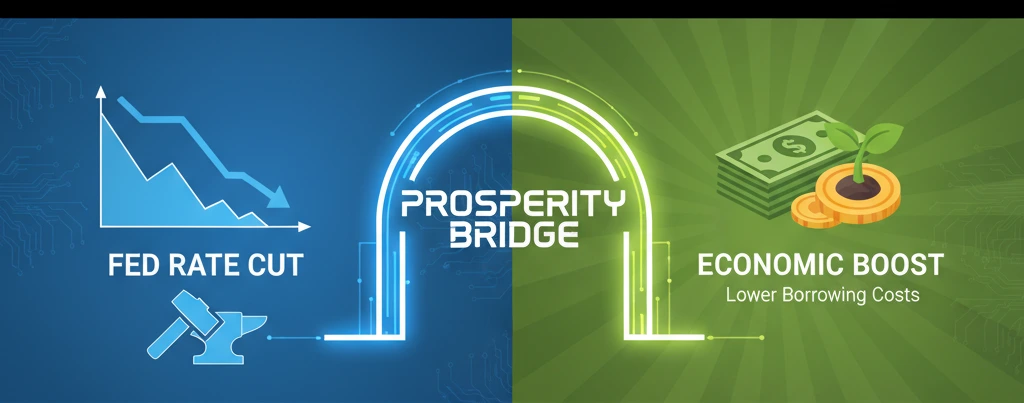
The U.S. Federal Reserve has finally hit the pause button on its tightening cycle — cutting interest rates by 25 basis points for the first time since 2024. The move, which brings the federal funds rate down to 4.00%–4.25%, could spark a new wave of Foreign Institutional Investor (FII) interest in emerging markets like India.
💡 Why the Fed Cut Matters to India
When the Fed lowers rates, U.S. bond yields fall, making returns on dollar assets less attractive. Global investors then start hunting for higher-yield and high-growth destinations — and India often tops that list.
With its strong GDP growth (6%+), resilient corporate earnings, and stable monetary policy, India stands out as a key beneficiary in this global liquidity shift.
📈 Possible Market Impact
1. Liquidity Push:
FIIs could increase allocations to large-cap sectors such as banking, IT, and energy, while midcaps may also gain traction as sentiment improves.
2. Strengthening Rupee:
Dollar inflows typically support the Indian rupee, which can help control imported inflation and make India’s bond market more attractive.
3. Equity Momentum:
Historically, Fed rate cuts have aligned with short-term rallies in Indian indices like Nifty 50 and Sensex, especially when domestic demand remains strong.
⚠️ Not Without Risks
- If RBI Also Cuts Rates:
The interest rate gap between India and the U.S. could narrow, reducing the yield advantage that attracts FIIs. - Global Uncertainty:
If the Fed is cutting because of U.S. growth concerns, global investors might still prefer defensive assets until the outlook stabilizes. - Currency Volatility:
Short-term fluctuations in the dollar index could cause brief outflows before the market finds balance.
🔍 What to Watch Next
Keep an eye on:
- RBI’s next policy announcement — any dovish shift could magnify FII flows.
- Rupee-dollar movement — stability will encourage long-term investors.
- Sector rotation — IT, banking, and infrastructure could lead the rally.
🧭 Bottom Line
The latest Fed rate cut may be the beginning of a more accommodative global monetary phase — and India is well-positioned to benefit.
While short-term volatility is possible, the medium-term outlook for FII inflows and Indian equities looks bright.
Leave a Reply