

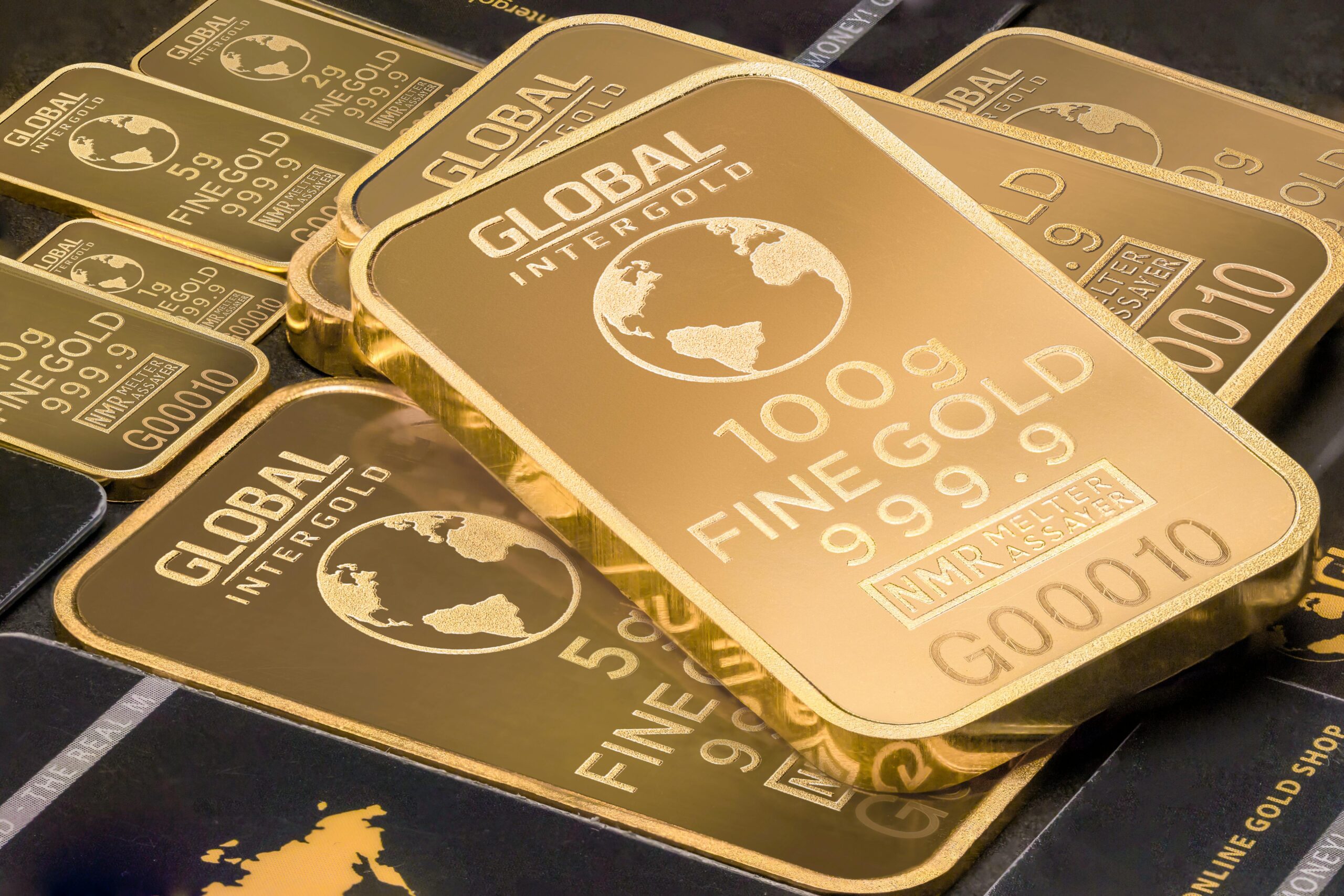
Gold prices took a big hit this week across the world. After touching record highs just days ago, gold suddenly dropped by more than 5% in a single day — one of the sharpest declines seen in years. Silver prices also slid by around 7%.
Markets in the UK and Australia saw the fall first, and now similar moves are being seen in the U.S.. When India’s markets open tomorrow, the same trend is likely to show up there too.
Let’s break down why this happened, what might happen next, and what you, as an investor, should do right now.
Why Did Gold and Silver Prices Suddenly Fall?
There isn’t one single reason. It’s a mix of a few key factors — let’s make it simple.
1. Investors Taking Profits
Gold prices had been climbing non-stop for months. Many investors had already made big profits. When the price reached record levels, they started selling to “book profits.”
Think of it like this: if you bought gold at $3,500 and it went up to $4,400, selling a bit now feels like a smart move — and when a lot of people think that way, the price naturally drops.
2. A Stronger U.S. Dollar
Gold is usually priced in U.S. dollars. When the dollar becomes stronger, gold becomes more expensive for people using other currencies. That means fewer buyers in global markets — and less demand means lower prices.
3. People Feeling More Confident About the Economy
Gold is called a “safe-haven asset” — people buy it when they’re scared about inflation, war, or recession. But when global situations calm down or investors start feeling more confident about stocks and trade, they move their money out of gold and into riskier assets like shares.
4. A Normal Market Correction
When any asset — whether it’s gold, real estate, or even stocks — goes up too quickly, it’s natural to see a pullback. It’s like climbing stairs too fast — you need a pause before going higher again. That’s what’s happening with gold now.
What Could Happen Next?
Let’s look at the short-term and long-term view.
In the Short Term
Gold may continue to move lower for a while before finding a stable level. Analysts expect the next support area around $3,900 to $4,000 per ounce. If prices reach this level and hold steady, they could bounce back again.
Silver usually follows gold — and often moves even more sharply. If gold continues to correct, silver could also stay weak for some time.
In the Long Term
Most experts still believe gold will do well in the long run.
Here’s why:
- Global inflation is still high in many countries.
- Central banks continue to hold and buy gold as a reserve.
- Debt levels worldwide remain large.
All these reasons make gold a valuable long-term asset, even if prices dip in the short run.
How Does This Affect India, the U.S., and Australia?
- In India: Prices will likely drop when markets open tomorrow. That could mean slightly cheaper jewellery and gold coins in the short term.
- In the U.S.: Gold futures have already fallen, as traders expect stronger economic data.
- In Australia: Mining companies may feel pressure as global prices fall, but long-term investors are likely to hold on.
What Should You Do as an Investor?
This is the big question everyone is asking — should you sell, hold, or buy more? Let’s look at each case simply.
1. If You Bought Gold Recently at High Prices
You might want to stay patient. Selling now could mean taking a loss. Prices could recover once the market stabilizes.
2. If You Bought Gold Earlier and Are Sitting on Profits
You can book some profits if you want to be cautious. Sell a small portion, but don’t exit completely. Gold still works as a hedge against inflation and uncertainty.
3. If You’re Planning to Buy Gold
Wait for a few days or weeks. Let the market settle. If gold dips closer to the $3,900–$4,000 range, that might be a better time to buy.
4. If You Own Silver
Silver is more volatile — it can fall more than gold but can also rise faster later. Treat it as a short-term investment, not a core holding.
What Can Influence Gold Prices Next?
Keep an eye on these 5 things:
- Inflation data from the U.S.
- Interest rate decisions by major central banks.
- Movements in the U.S. dollar.
- Global political tensions or peace talks.
- Central bank gold buying trends.
If any of these change suddenly, gold prices could swing again — up or down.
Simple Answer to Common Questions
Q. Is the gold rally over?
No. This is likely a correction, not the end. Markets often rest before the next move.
Q. Can gold fall more?
Possibly, yes. If the dollar stays strong or investors stay in “risk-on” mode, gold could test lower levels before bouncing back.
Q. Is it a good time to buy jewellery in India?
If prices drop further tomorrow, it could be a good time for buyers. But remember — local taxes and currency exchange also affect final prices.
Q. Should I switch from gold to stocks or crypto?
Not necessarily. Gold and stocks serve different purposes. Gold protects wealth; stocks grow wealth. Having some of both is usually smarter than betting only on one.
Final Thoughts: Don’t Panic, Stay Smart
Big drops in gold prices can feel scary — but remember, this is part of every healthy market cycle. After strong rallies, small storms often clear the sky.
If you’re investing for the long term, hold steady. If you’re looking for short-term profits, be cautious and wait for signs of stability before buying more.
Gold has survived every market crisis in history — and chances are, it’ll shine again soon.
Leave a Reply