
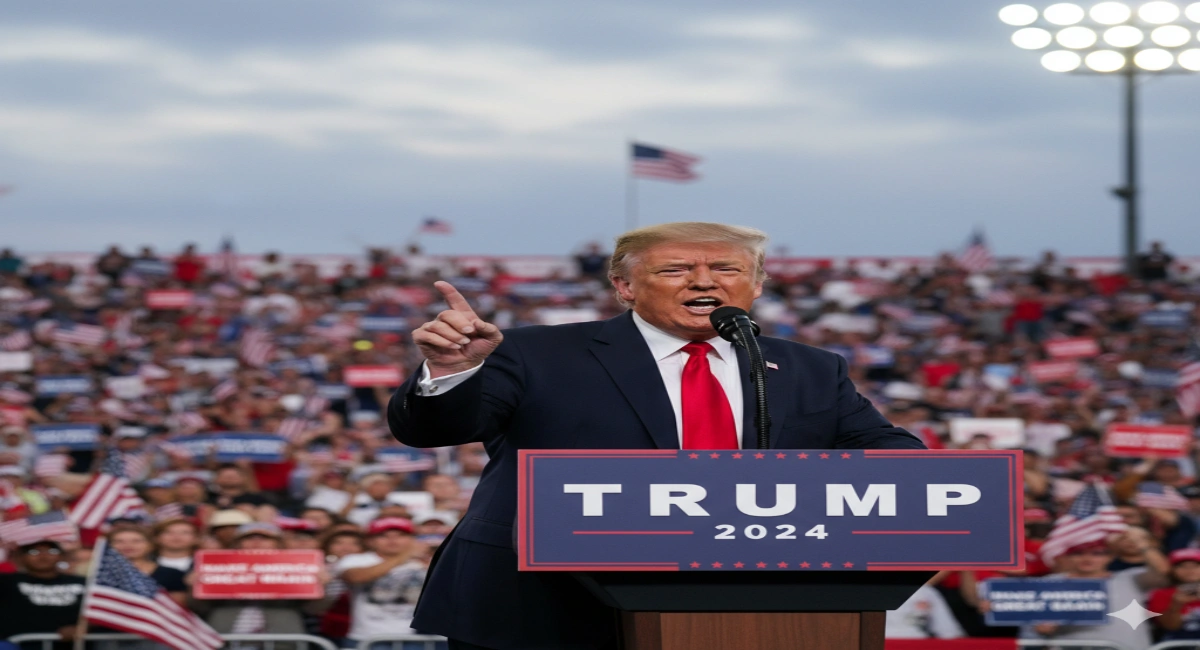
If you’ve been scrolling through your feed lately, you’ve probably noticed three words showing up everywhere: “No Kings Protest.”
From New York to San Francisco, millions of people have been hitting the streets holding handmade signs that say things like “No Crowns. No Thrones. No Kings.”
So, what’s behind this movement—and why are so many people fired up right now?
Let’s break it down.
What Does “No Kings” Mean?
The phrase “No Kings” goes straight to the roots of what America stands for: no one person should hold absolute power.
Protesters say the U.S. feels like it’s drifting away from that founding idea. The movement’s message is simple: “We choose democracy over dictatorship.”
In their view, this isn’t about one political party—it’s about keeping the country’s leadership accountable and ensuring that government power stays with the people.
Why Are People Protesting?
The “No Kings” protests have become a platform for all kinds of Americans who feel that democracy, civil rights, and fairness are being challenged.
Here are the main reasons people say they’re marching:
- Presidential overreach: Many believe the President is acting more like a ruler than an elected leader.
- Civil-rights concerns: Issues like freedom of speech, immigrant rights, and LGBTQ+ protections have many worried.
- Militarization and power shows: The use of military parades and federal enforcement have sparked fears of authoritarian behavior.
- A call for balance: Protesters want stronger checks on power, fair elections, and respect for the rule of law.
In short, “No Kings” isn’t a single-issue protest—it’s a collective outcry for transparency, equality, and accountability.
How Big Is the Movement?
The numbers are staggering. Organizers say millions of people have participated in thousands of rallies across all 50 states.
From small towns to big cities—Boston, Chicago, Austin, Seattle, Denver, Atlanta—crowds have been turning out in record numbers. Some analysts even call it the largest single-day protest movement in U.S. history.
It’s not just one day, either. What began as a single event has turned into an ongoing nationwide campaign, with marches, candlelight vigils, and online solidarity actions happening week after week.
What’s Fueling the Anger?
Americans are frustrated.
They’re tired of feeling like their voices don’t matter. They’re worried about losing freedoms their grandparents fought for. And they’re seeing policies that, to them, look less like democracy and more like control.
The “No Kings” protests are basically people saying: “We don’t want a ruler. We want a representative.”
It’s that simple—and that powerful.
How This Connects to Everyday Life
Even if you’re not out protesting, movements like “No Kings” affect the overall mood of the country.
- Stress and anxiety: Constant political tension can raise stress levels, impacting blood pressure, sleep, and mental health.
- Sense of control: People who feel powerless often struggle with motivation and focus—things that affect everything from diet to emotional well-being.
- Community bonds: On the positive side, protests can create a feeling of unity and purpose, helping people reconnect and believe in change.
When communities feel empowered, health improves—physically, emotionally, and socially.
What’s Next for the “No Kings” Movement?
Right now, the protests show no signs of slowing down. Organizers plan more rallies, voter-registration drives, and peaceful demonstrations through the rest of the year.
Whether or not you agree with every message, it’s clear the movement has tapped into something deep—a shared belief that democracy only works when people speak up.
And millions of Americans are doing just that.
FAQs
Q: What is the “No Kings” protest about?
A: It’s a national movement where people are standing up for democracy, civil rights, and fair leadership—rejecting any form of absolute or unchecked power.
Q: Why is it called “No Kings”?
A: Because the message is simple—America doesn’t want a ruler or monarch. The slogan symbolizes freedom, equality, and shared power.
Q: How many people are taking part?
A: Millions across thousands of U.S. cities have joined, making it one of the largest protest movements in American history.
Q: Is it violent or peaceful?
A: The vast majority of demonstrations are peaceful, focusing on unity and democratic values.
Q: Why does it matter to ordinary people?
A: Because a healthy democracy affects everything—from stress levels and social trust to community safety and quality of life.
Leave a Reply