

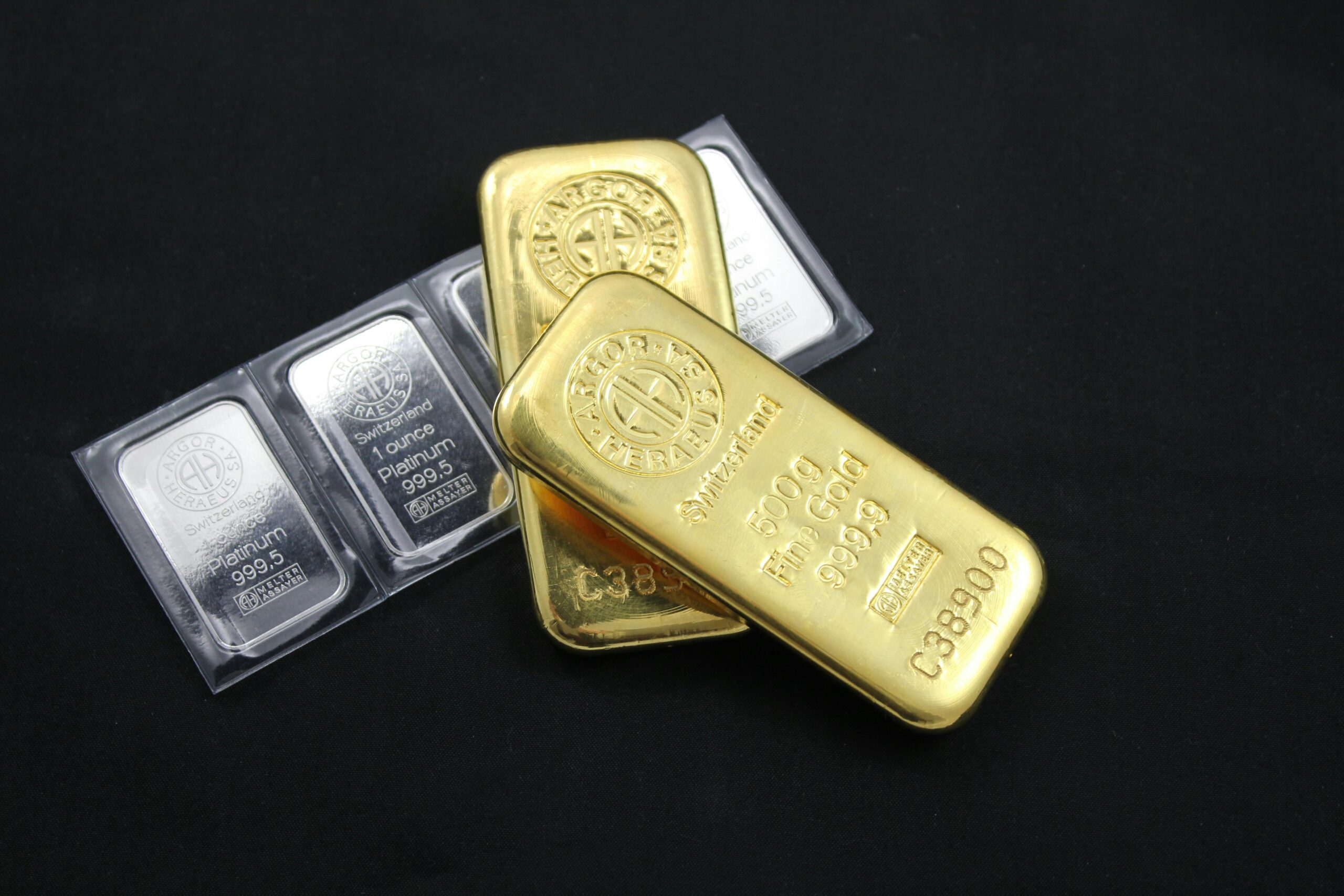
October 2, 2025 Gold and silver never go out of style. Whether it’s jewelry, coins, or investments, people in the US and worldwide are always curious about the latest prices, trends, and safest ways to buy.
If you’ve been searching for answers like “Gold price today” or “Which is better: gold or silver in 2025?” — this guide breaks it all down for you in simple terms.
1. Gold Price Today
Gold prices change daily based on international demand, the US dollar strength, interest rates, and global events. You can check the live gold price on trusted financial news sites, commodity exchanges (like COMEX), or local jeweler associations. Today, 10 grams of pure 24K gold (99.9%) is priced at ₹1,20,650 – a sparkling reminder of why gold never goes out of style
2. Silver Price per Kg / Per Ounce / Per Gram Today
Like gold, silver prices also move every day. Most people track silver in per ounce (globally) or per kg / per gram (locally). Since silver is cheaper than gold, even small price swings can make a big difference. A full kilogram of 99.9% pure silver shines bright at ₹1,51,000 today — making it one of the most affordable precious metals to own in bulk!
3. Gold vs Silver: Which Is Better Investment in 2025?
- Gold: Safer, stable, great for long-term wealth protection.
- Silver: Cheaper, but more volatile. Often moves faster than gold in both directions.
👉 If you want stability, go for gold. If you want higher risk and possible higher returns, silver could be interesting. Many smart investors keep a mix of both.
4. How to Buy Physical Gold / Silver Safely
- Buy only from certified jewelers, banks, or government mints.
- Always ask for a bill and purity certificate.
- Avoid cash-only or “too good to be true” deals.
5. Best Gold Coins / Bars to Buy
- 24K gold coins or bars with hallmark certification are best.
- Stick to popular weights (5g, 10g, 1oz).
- Government or bank-issued coins are safer and easier to sell later.
6. How to Check Purity of Gold / Silver
- Look for the hallmark (BIS in India, 999/995 purity internationally).
- Do a magnet test (real gold/silver is non-magnetic).
- For expensive purchases, ask for a lab certificate.
7. Gold ETF vs Physical Gold – Pros and Cons
- Gold ETF: Easy to buy/sell like stocks, no storage issues, but you can’t “touch” it.
- Physical gold: Tangible, useful in emergencies, but needs storage and comes with making charges.
8. Where to Sell Gold / Silver and Get Best Price
- Jewelry shops, banks, or certified dealers usually buy back.
- Compare rates before selling.
- Remember: resale value may be lower than spot price due to making charges and taxes.
9. Gold Making Charges in Jewellery
When you buy gold jewelry, you don’t just pay for the gold — you also pay a making charge (usually 5%–20%). The more intricate the design, the higher the charge.
10. When Is the Right Time to Buy Gold / Silver?
There’s no “perfect” time, but:
- Prices often dip during periods of strong US dollar or high interest rates.
- Many buyers prefer festivals or dips in price.
- For investors: buy gradually, instead of waiting for the lowest price.
11. Historical Gold Price Chart / Trend
Gold has shown steady growth over decades, especially during inflation or global crises. Silver has been more volatile but can shoot up sharply in bull markets.
12. Why Is Silver More Volatile Than Gold?
Silver has both industrial use (electronics, solar panels, batteries) and investment demand. This double demand makes it swing harder than gold, which is mostly an investment metal.
13. Interest Rates and Gold Price
Gold usually rises when interest rates fall (since investors prefer gold over low-yield bonds). When rates rise, gold can dip temporarily.
14. Global Events, Inflation, and the Dollar’s Role
- Inflation: Pushes gold/silver up as safe havens.
- Weak dollar: Makes gold/silver cheaper for other countries, driving demand.
- Geopolitical crises: Investors rush to gold for safety.
15. Taxes on Buying / Selling Gold & Silver
- In most countries, you pay sales tax or GST when buying jewelry.
- Selling may involve capital gains tax if prices rise.
- Check your local tax rules before investing heavily.
16. Is Investing in Gold / Silver Safe?
- Gold: Very safe, holds value for centuries.
- Silver: Safe, but can fluctuate a lot in the short term.
Neither is risk-free, but both protect against inflation better than paper money.
17. Gold Purity – 24K, 22K, 18K: Which to Buy?
- 24K: Purest, best for investment.
- 22K: Slightly mixed with metals, stronger, ideal for jewelry.
- 18K: More durable, but less valuable as investment.
18. Storage and Safety of Physical Gold / Silver
- Use a bank locker for large amounts.
- At home, a fireproof safe is essential.
- Keep receipts and certificates safe for resale.
19. Buying Gold Online, in Banks, or Marketplaces
- Banks / Government mints: Most secure but may charge higher premiums.
- Online platforms: Convenient, but stick to trusted ones.
- Jewelry shops / dealers: Traditional but always check purity and reputation.
✅ Final Word:
Gold and silver remain two of the most trusted assets for wealth preservation in 2025. Gold gives stability, silver offers growth potential, and together they can balance your portfolio. Always buy from trusted sources, keep paperwork safe, and treat them as long-term stores of value rather than quick profit machines.
Q1. What is the gold price today?
Gold prices change daily based on global demand, the dollar’s strength, and market conditions. Always check live prices on trusted sites before buying.
Q2. What is the silver price today per kg or per gram?
Silver prices are quoted per ounce globally but also tracked per gram or per kg locally. Since silver is cheaper, even small movements affect total value.
Q3. Which is better to invest in 2025: gold or silver?
Gold is safer and more stable, while silver is more volatile but offers higher growth potential. Many investors prefer holding both.
Q4. How can I buy physical gold or silver safely?
Buy only from certified jewelers, banks, or government mints. Always ask for purity certificates and a proper bill.
Q5. What are the best gold coins or bars to buy?
24K gold coins and bars from banks or government mints are safest. Popular sizes are 5g, 10g, or 1 ounce.
Q6. How do I check purity of gold and silver?
Look for hallmark stamps (999, 995, 916), test with a magnet (real gold/silver is non-magnetic), or get a lab certificate.
Q7. What’s the difference between Gold ETF and physical gold?
Gold ETFs are easy to trade and don’t need storage, but you don’t physically own gold. Physical gold is tangible but needs storage and may carry making charges.
Q8. Where can I sell gold or silver for the best price?
Local jewelers, certified dealers, and banks usually buy back. Compare rates before selling to maximize returns.
Q9. Why does silver fluctuate more than gold?
Silver has both industrial and investment demand, making its price swings sharper compared to gold.
Q10. When is the best time to buy gold or silver?
There’s no perfect time, but prices often dip during strong dollar periods or high interest rates. Many investors buy gradually to average costs.
Leave a Reply